Health
PCOS and food: what actually helps, and what you can stop worrying about
No gluten, no dairy, no rice, seed cycling, spearmint tea… PCOS advice online is exhausting. Here is what the evidence supports, and where I would start.
By Hafiza Hamna Mushtaq · · 4 min read
If you've been diagnosed with PCOS, you were probably told to "lose weight" and not much else. Then you went online and it got worse. No gluten. No dairy. No rice. Seed cycling. Spearmint tea. A new supplement every week.
I understand why it feels confusing. So here is what the evidence actually supports, what it doesn't, and where I would start if you came to see me.
First, PCOS isn't your fault
PCOS is one of the most common hormonal conditions in women of reproductive age, and genetics play a big part in it. Many women with PCOS also have insulin resistance. That means the body has to make more insulin to keep blood sugar in range, and high insulin can push the ovaries to make more androgens. Those are the hormones behind acne, extra facial hair and irregular periods.
That's why food matters. Not because you caused this by eating badly, but because what and how you eat can lower that insulin load.
One more thing: not everyone with PCOS is overweight. If you're slim and have PCOS, most of what follows still applies, and nobody should be telling you to "just lose weight".
If weight loss is a goal, a little goes a long way
The international PCOS guideline, updated in 2023, notes that losing around 5 to 10% of body weight can improve symptoms. That can mean more regular cycles, better insulin levels and, for some women, better fertility. If you weigh 80 kg, that's 4 to 8 kg. Not 25.
I say this because so many women give up, thinking nothing will change until they reach a "normal" BMI. It will. Much sooner than that.
The same guideline doesn't recommend any one diet over the others. Low-carb, Mediterranean-style, calorie-controlled: the best one is the one you can actually live with.
What I'd focus on
1. Breakfast with some protein. In a lot of Pakistani homes, nashta is paratha with chai, or rusk with chai. That's mostly refined flour and sugar first thing in the morning. Try an egg or two, a bowl of dahi, or chana with your roti. Most people notice they're less hungry by lunchtime.
2. Change the roti, don't ban it. Chakki atta, or atta mixed with a little besan or jau (barley) flour, is a better everyday choice than maida. One or two rotis with plenty of sabzi and some daal or salan is a perfectly good PCOS meal.
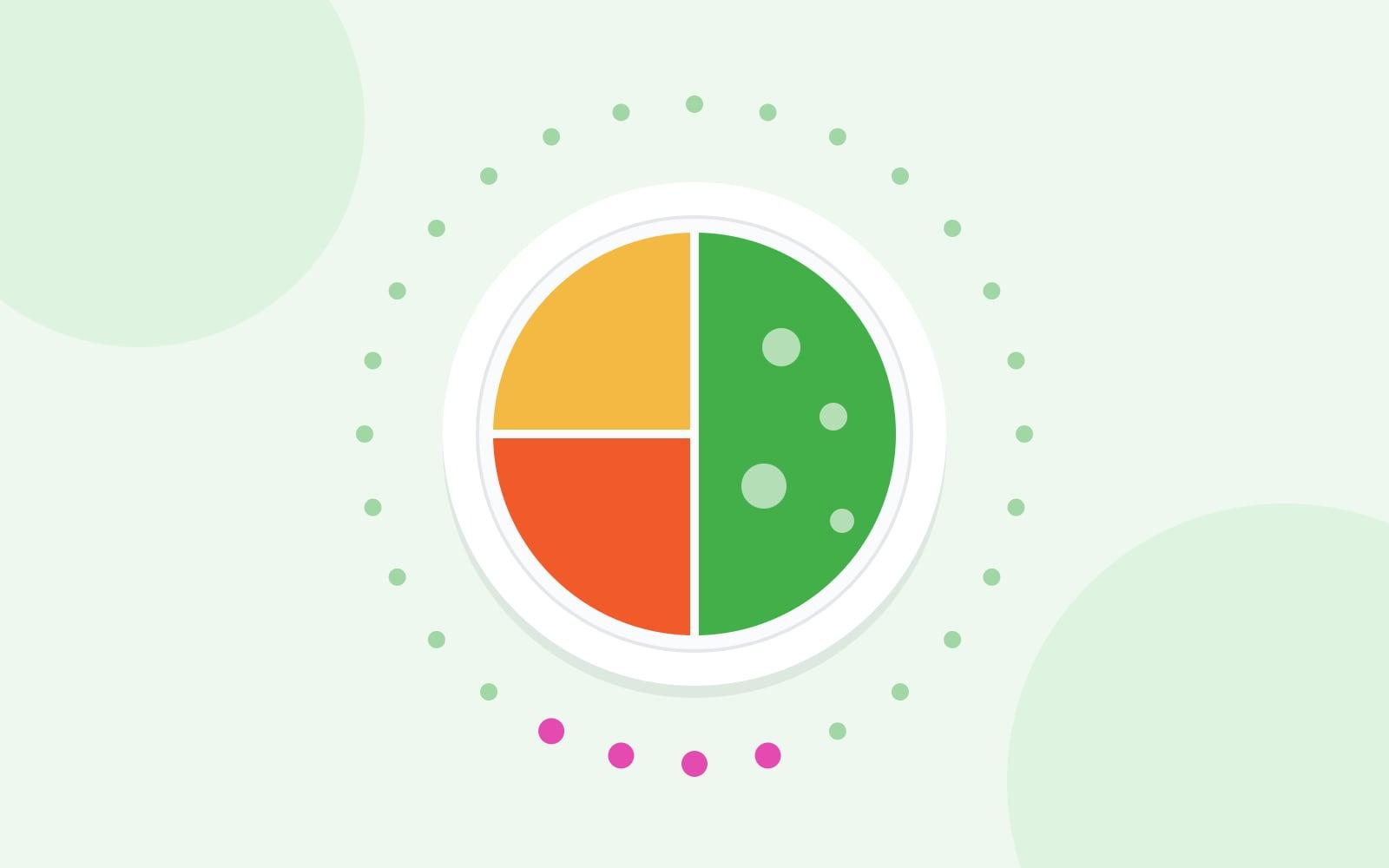
3. Half the plate vegetables, most of the time. Fibre slows down how quickly sugar reaches your blood. Cooked sabzi counts. So does a simple salad of kheera, tamatar and pyaaz.
4. Look at what you drink. Sweet chai three or four times a day, a bottle of cold drink, a packaged juice. This is often where most of the sugar is hiding. Cut the sugar in your chai a little at a time; your taste adjusts within a couple of weeks.
5. Move in a way you'll keep doing. A walk after dinner is underrated. Your muscles use up glucose, so even 15 to 20 minutes after a meal helps. Strength exercise twice a week improves insulin sensitivity too, and you don't need a gym for it. Squats, wall push-ups and lunges at home are enough to start.
6. Sleep and stress aren't side issues. Poor sleep makes insulin resistance worse and cravings stronger. If you're regularly going to bed at 3 am, that's worth working on alongside food.
Things you can probably stop worrying about
- Cutting out gluten or dairy. There's no good evidence that this helps PCOS unless you have coeliac disease or a real intolerance. Dahi and milk are useful sources of protein and calcium.
- "PCOS detox" teas and supplement stacks. Some supplements, like inositol, have been studied, but the evidence is still limited and they don't replace the basics. Check with your doctor before starting anything, especially if you're trying to conceive or already taking medicine.
- Never eating rice again. A sensible portion of rice with daal and salad is fine for most people. How much you eat, and what you eat it with, matters more than the grain itself.
- Fruit. Whole fruit is fine. A guava, an apple or a few slices of papaya are not the problem. Juice is a different story.
When it's worth getting personal advice
General tips go a long way, but PCOS looks different in every woman. Some are trying to conceive. Some are on metformin or the pill. Some have spent years on crash diets and now have a complicated relationship with food, which needs a gentler approach. Some have thyroid problems or fatty liver alongside PCOS.
If any of that sounds like you, it helps to see a dietitian who can look at your blood reports, your routine and your goals together. And please don't stop or change any medicine without speaking to your doctor first.
This article is for general information and does not replace individual medical or dietetic advice. Medical disclaimer.